


Bordeaux Pirate takes on Bordeaux bashing

The Flakon team had the chance to meet Jean-Baptiste Duquesne, one of the founders of the Bordeaux Pirate Winegrowers’ Association. Here’s the story…
What is Bordeaux bashing?
To understand Bordeaux Pirate, we first need to talk about Bordeaux bashing: a mainly French trend of shunning, if not boycotting, Bordeaux wines. It isn’t, of course, an organised movement, but rather an attitude found especially among affluent urban consumers growing tired of Bordeaux’s established status when it comes to red wine.

Hard to access
Whether it’s pure snobbery or a sign of something deeper, Bordeaux bashing is rooted in perfectly understandable concerns. For one thing, wines with this centuries-old heritage can be hard to access: classified estates charge a fortune, and their wines are made for ageing. Not everyone can afford such expensive bottles or wait fifteen to twenty years to taste their wine.
An overcrowded market
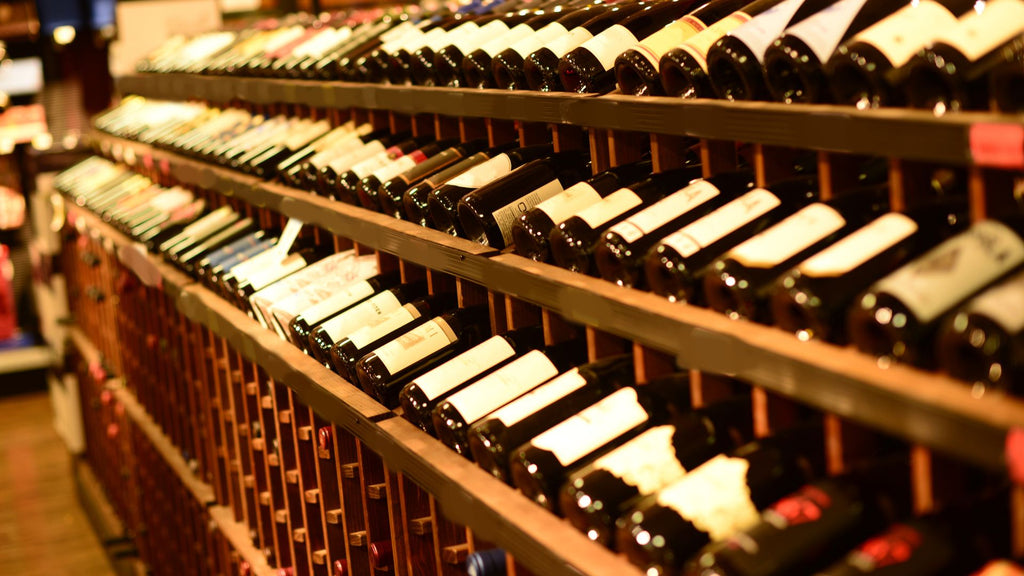
Then there’s the sheer number of producers: more than 7,000 estates, many of which choose volume over quality to remain competitive. For an ordinary wine lover, that makes it hard to find a good, affordable Bordeaux. On the one hand, they regularly encounter cheap but distinctly average bottles; on the other, some winemakers cannot even get their wines into wine shops or supermarkets because the market is so crowded.
Not enough variety in the wines
Finally, there’s the perception that all Bordeaux wines are alike. Their appeal lies in subtle differences rather than diversity, so appreciating them fully takes practice. Many consumers today want a wine to surprise them, and Bordeaux no longer does.
Bordeaux Pirate strikes back!
The origins of the movement
That’s where Bordeaux Pirate comes in. What began as a Facebook page attracting thousands of followers became a fully fledged association, founded by Jean-Baptiste Duquesne, Laurent David, Laurent Cassy and Fabien Lapeyre. All come from very different Bordeaux châteaux, and all have experienced Bordeaux bashing first-hand. Their aim is to refresh Bordeaux’s image, overcome the industry’s systemic problems and promote original wines — whether through their grape varieties, winemaking or sales methods. There’s no single rule for joining Bordeaux’s pirates, except a desire to offer good, organic wine and break with Bordeaux tradition.

Championing innovation and originality
Bordeaux Pirate wants to give due recognition to winemakers whose wines end up under the "Vin de France" designation — often viewed poorly because it is so broad — simply because they’ve tried something new, such as making wine in an amphora or using a forgotten grape variety. While Merlot and Cabernet Sauvignon are Bordeaux’s dominant, most celebrated varieties, more than forty grape varieties have existed in the region, and Duquesne intends to bring them back into fashion. He has replanted twenty-six of them at his Château Cazebonne estate and already produces wines from five.
A brand-new "Pirate" label
At the end of the year, the winemakers of Bordeaux Pirate came together to create a "Pirate" label. A panel of oenologists, sommeliers and other professionals gathered to taste and assess 72 wines submitted by the pirate winemakers. Judged on quality and originality, 52 wines were awarded the "Pirate" label. The boarding party seems to be underway against the establishment — when will the talks begin?


